Class 4 Impact-Resistant Shingles: Are They Worth It in Texas?
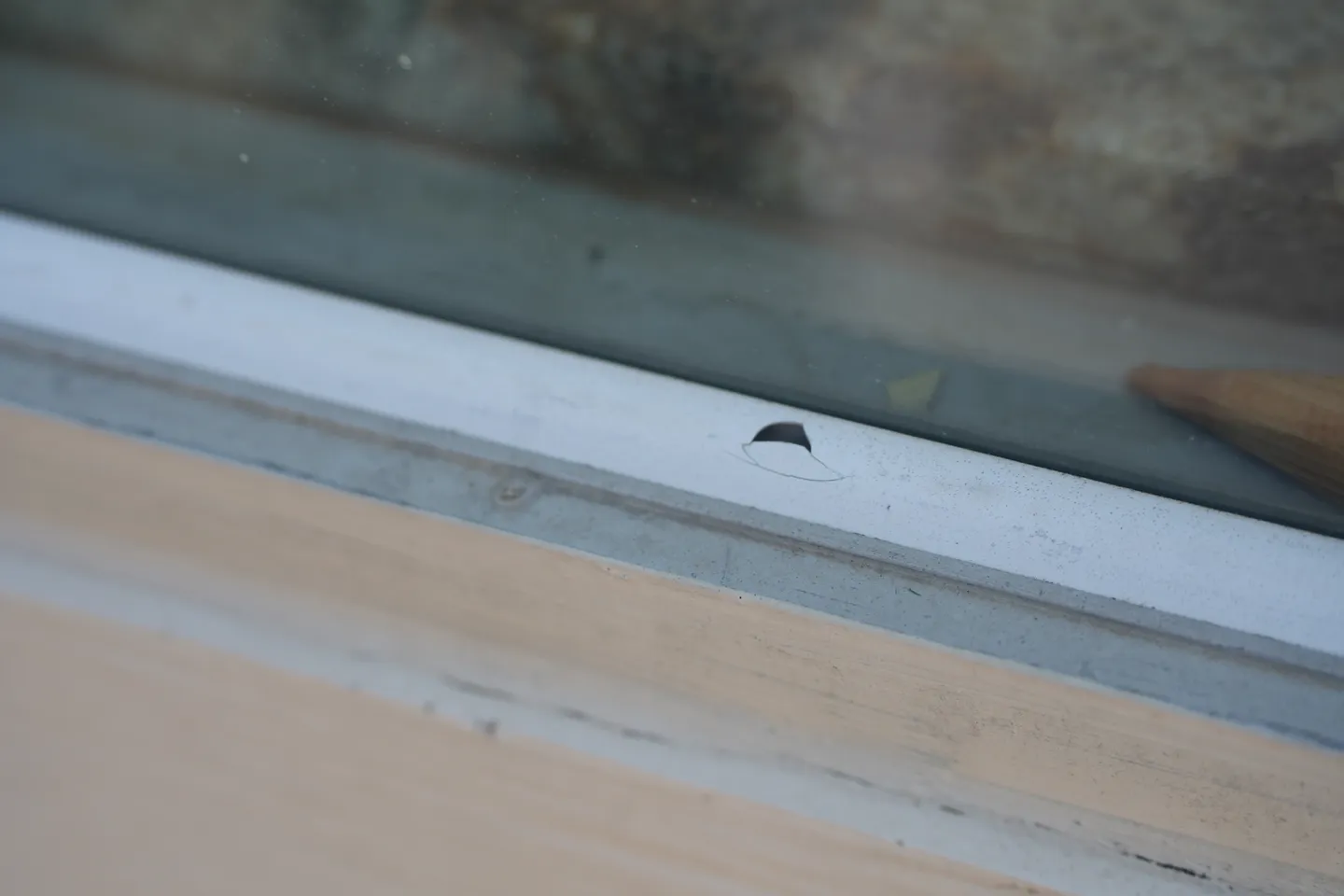
What the Class 4 rating means, how impact-resistant shingles hold up to hail, and why many Texas insurers offer a premium discount.
Read MoreChoosing a roofing material means balancing upfront cost, expected lifespan, aesthetics, and how well it holds up to Houston's climate. Here's an overview of the main categories.
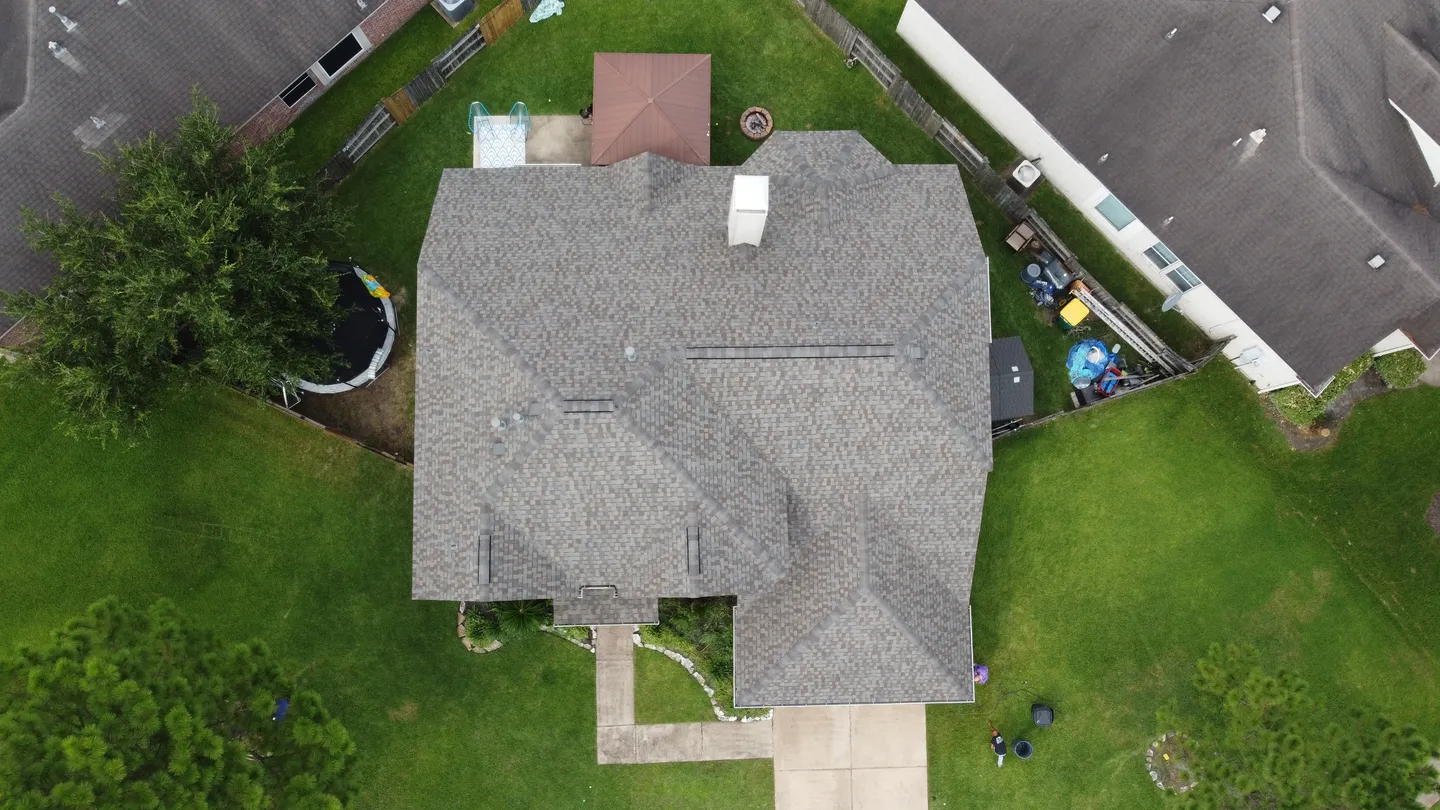
The most common residential roofing material in the U.S., available in three tiers: 3-tab (budget, shorter lifespan), architectural/dimensional (the most popular middle tier), and designer/premium (top-tier durability and looks). Read our full shingle guide for a detailed breakdown.
Known for durability (often 40+ years), excellent heat reflectivity, and strong wind resistance — a good fit for Texas heat, though the upfront cost is higher than asphalt shingles.
Clay or concrete tile offers a distinctive look common on Spanish and Mediterranean-style homes, with an extremely long material lifespan. It's heavier than shingles, so roof structure needs to support the added weight.
A premium natural stone option known for exceptional longevity and a high-end appearance, though it's among the most expensive materials and requires specialized installation.
A natural, textured look that many designer asphalt shingles are actually designed to mimic. True wood shake requires more maintenance and carries fire-rating considerations worth discussing with your insurer.
TPO, EPDM, and modified bitumen systems are common on flat or low-slope roofs, typically seen on commercial buildings and additions. Learn more on our commercial roofing page.
We specialize in architectural and designer asphalt shingle systems from GAF, CertainTeed, and Owens Corning, plus flat commercial roofing systems. Get a free estimate to discuss which material fits your home and budget.
What the Class 4 rating means, how impact-resistant shingles hold up to hail, and why many Texas insurers offer a premium discount.
Read MoreStanding seam vs exposed fastener, heat, hail, noise, and lifespan. An honest look at metal roofing for Houston homes.
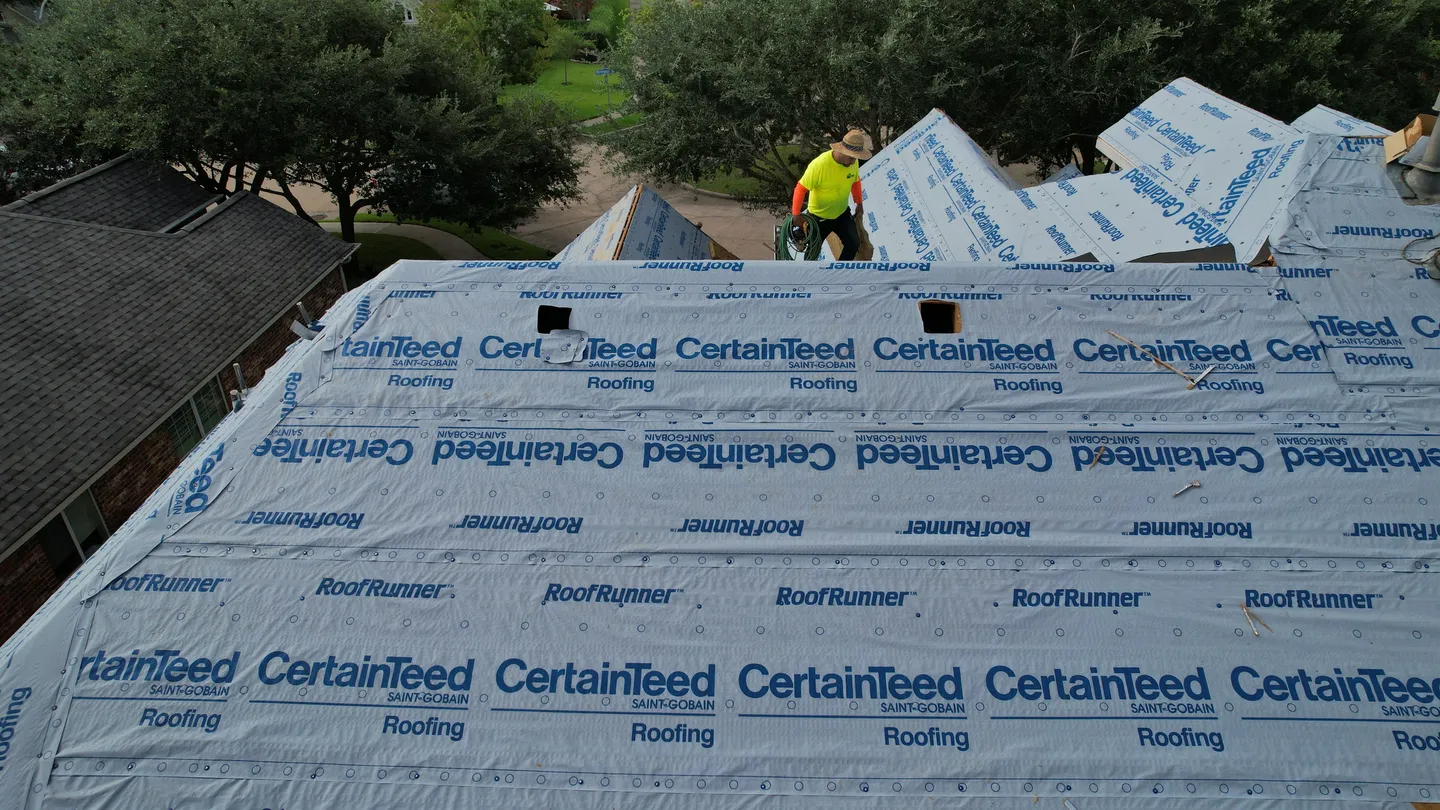
Read MoreThe layer under your shingles matters more than most people think. How synthetic and felt underlayment compare in Texas heat.
Read More